What is an ARM Processor?
ARM Processor
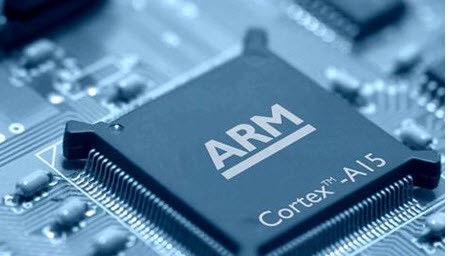
The ARM microcontroller stands for Advance Risk Machine; it is one of the extensive and most licensed processor cores in the world. The first ARM processor was developed in the year 1978 by Cambridge University, and the first ARM RISC processor was produced by the Acorn Group of Computers in the year 1985. These processors are specifically used in portable devices like digital cameras, mobile phones, home networking modules and wireless communication technologies and other embedded systems due to the benefits, such as low power consumption, reasonable performance, etc. This article gives an overview of ARM architecture with each module’s principle of working.
ARM Architecture
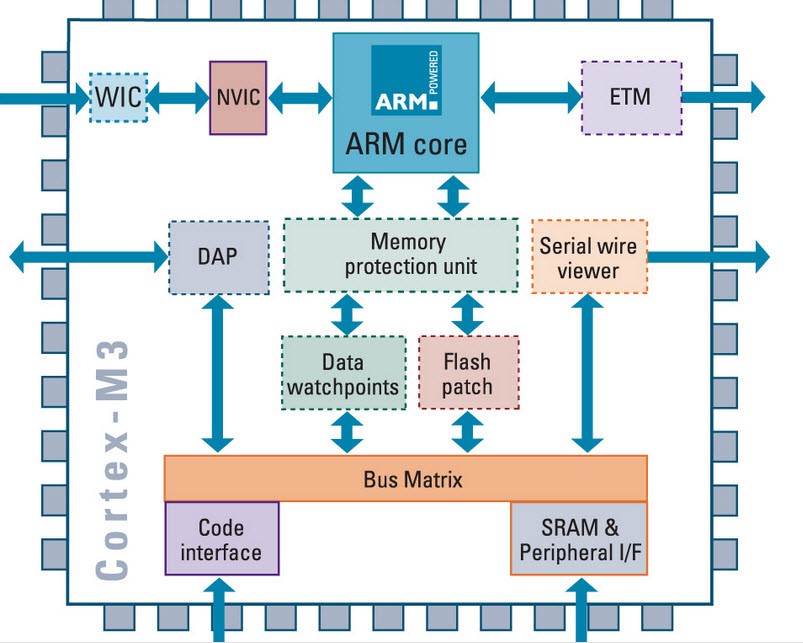
The ARM architecture processor is an advanced reduced instruction set computing [RISC] machine and it’s a 32bit reduced instruction set computer (RISC) microcontroller. It was introduced by the Acron computer organization in 1987. This ARM is a family of microcontroller developed by makers like ST Microelectronics,Motorola, and so on. The ARM architecture comes with totally different versions like ARMv1, ARMv2, etc., and, each one has its own advantage and disadvantages.
ARM Architecture
The ARM Architecture
- Arithmetic Logic Unit
- Booth multiplier
- Barrel shifter
- Control unit
- Register file
This article covers the below mentioned components.
The ARM processor conjointly has other components like the Program status register, which contains the processor flags (Z, S, V and C). The modes bits conjointly exist within the program standing register, in addition to the interrupt and quick interrupt disable bits; Some special registers: Some registers are used like the instruction, memory data read and write registers and memory address register.
Comments
Post a Comment